
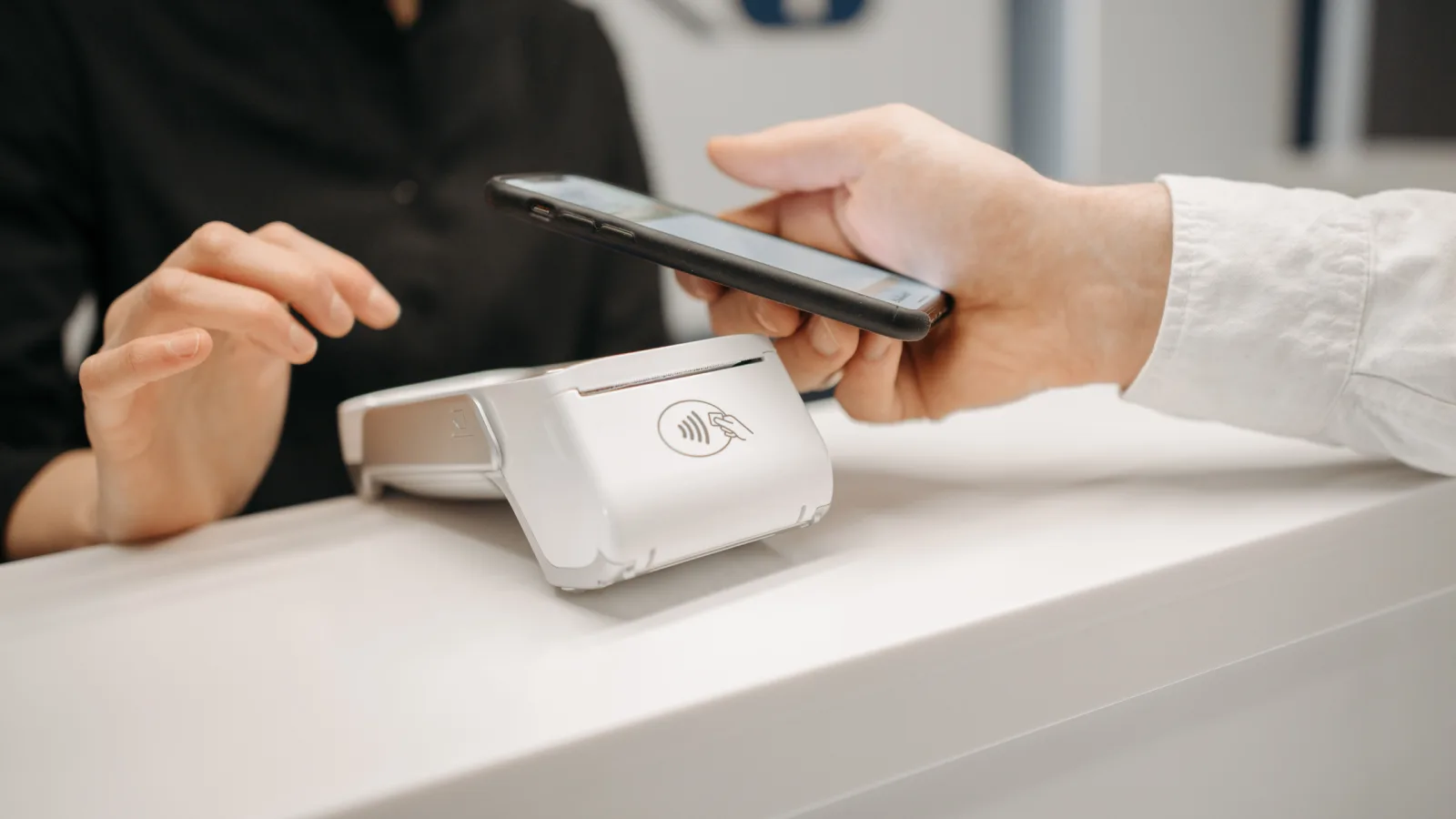
Digital payments are no longer just a convenience—they're an expectation. Whether you're a small retailer, an enterprise, or a franchise brand, seamless and secure transactions are essential to maintaining customer trust and operational efficiency. Automation is redefining the digital payments landscape in powerful ways.
1. Speeding Up Transactions
Manual payment processing can slow things down—especially during peak hours. Automated payment systems reduce processing time, enabling faster checkouts and smoother customer experiences. Whether it’s in-store via cloud POS or online via e-wallets and payment gateways, automation ensures transactions happen in real time.
2. Minimizing Human Error
Errors in data entry, duplicate charges, or missed payments can damage customer relationships and affect cash flow. Automated systems reduce the chance of human error by ensuring accurate calculations, real-time syncing, and consistent data handling across platforms.
3. Strengthening Security
Security is a top priority in the digital payment ecosystem. Automated payment solutions often come with built-in encryption, tokenization, fraud detection, and multi-layered authentication protocols—protecting both businesses and customers.
4. Enhancing Record-Keeping and Compliance
With automation, every transaction is tracked and logged. This streamlines record-keeping and simplifies reconciliation, which is especially valuable during audits or when filing tax reports. Businesses can also ensure they're staying compliant with local financial regulations, such as BIR reporting in the Philippines.
5. Enabling Scalability for Businesses
For growing businesses and franchises, managing payments across multiple branches or channels can be overwhelming. Automation brings centralized control, making it easier to oversee cash flow, generate consolidated reports, and handle bulk payouts or collections at scale.
6. Improving Customer Satisfaction
Faster payments, fewer errors, and easy access to transaction history? That’s a win for customers. Automation enhances the end-user experience by offering multiple secure payment options and near-instant confirmations—raising trust and loyalty in the process.
Final Thoughts
Automation isn’t just a backend upgrade—it’s a competitive advantage. In the world of digital payments, it improves accuracy, security, and scalability while offering better experiences for both businesses and customers. Whether you're running a single store or managing a multi-branch franchise, embracing automation in your payment systems is a step toward a smarter, faster, and more secure future.