
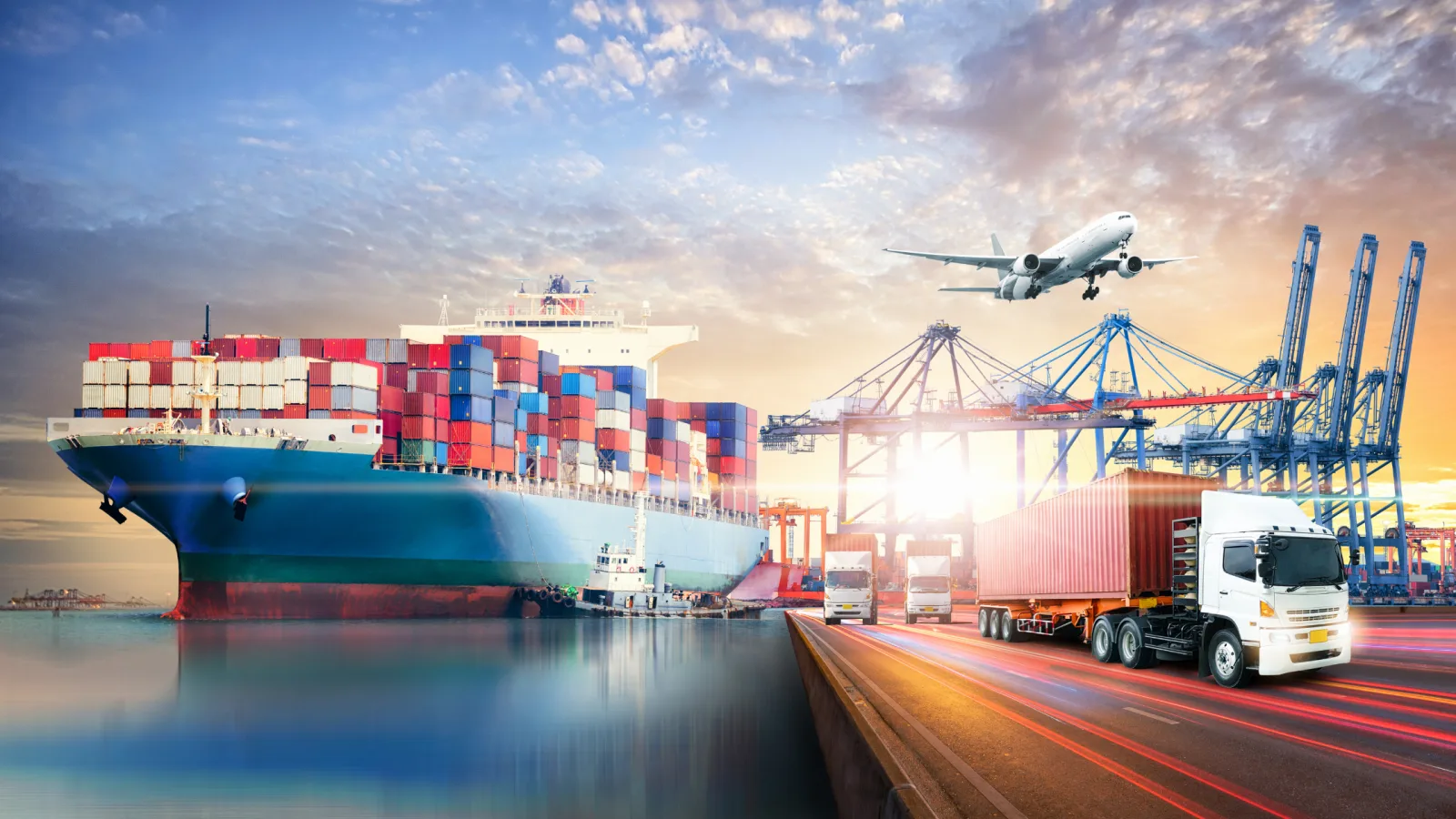
The transportation and logistics industries have long been at the forefront of technological innovation. Today, these sectors are witnessing a rapid transformation due to the integration of automated systems and advanced technologies. In this article, we explore the future of automated transportation and logistics and how emerging technologies are reshaping these industries.
1. Autonomous Vehicles
Autonomous vehicles are a key aspect of automated transportation. Companies are investing heavily in research and development to bring self-driving cars, trucks, and drones to the market. These vehicles have the potential to revolutionize transportation and logistics by reducing human error, improving safety, and increasing efficiency.
Self-Driving Trucks – Self-driving trucks are being tested on highways around the world. These trucks can operate for long hours without breaks, reducing delivery times and lowering costs. Additionally, they can optimize routes to avoid traffic and minimize fuel consumption.
Autonomous Delivery Drones – Drones are being used for last-mile deliveries, especially in urban areas. They can quickly deliver packages to customers' doorsteps, bypassing traffic and providing faster service.
2. Artificial Intelligence and Machine Learning
AI and machine learning are playing a critical role in transforming transportation and logistics. These technologies enable companies to analyze vast amounts of data and make informed decisions in real-time.
Predictive Analytics – AI can predict demand, optimize inventory levels, and anticipate potential supply chain disruptions. This leads to more efficient logistics and better customer service.
Route Optimization – AI-powered route optimization can reduce fuel consumption and travel time by finding the most efficient routes for vehicles.
3. Internet of Things (IoT)
The Internet of Things (IoT) connects devices, vehicles, and infrastructure to create a seamless transportation network. This technology allows for real-time monitoring and communication, leading to improved efficiency and safety.
Fleet Management – IoT enables fleet managers to track vehicles, monitor fuel usage, and receive maintenance alerts. This helps optimize operations and reduce costs.
Smart Infrastructure – IoT sensors can be integrated into roads and traffic lights to monitor traffic flow and improve safety. These sensors can communicate with autonomous vehicles, allowing them to navigate more effectively.
4. Hyperloop and Other Innovative Transportation Systems
New transportation systems like the Hyperloop are being developed to revolutionize long-distance travel. The Hyperloop is a high-speed transportation system that uses vacuum tubes to move pods at speeds of up to 700 miles per hour. This could drastically reduce travel times between major cities.
Other innovative transportation systems, such as maglev trains and flying cars, are also being researched and developed. While these technologies may take years to become mainstream, they hold the potential to reshape the future of transportation.
5. Challenges and Opportunities
Despite the potential benefits of automated transportation and logistics, there are challenges that need to be addressed:
Regulation and Safety – Governments need to establish regulations to ensure the safe operation of autonomous vehicles and drones. Clear guidelines are essential for the widespread adoption of these technologies.
Job Displacement – Automation may lead to job displacement in certain sectors. It's important to provide retraining and support for workers affected by these changes.
Cybersecurity – As transportation and logistics become more connected, cybersecurity risks increase. Protecting systems from cyber threats is crucial.
To conclude, the future of automated transportation and logistics is bright, with transformative technologies poised to revolutionize these industries. From autonomous vehicles to AI-driven analytics, emerging innovations promise to enhance efficiency, safety, and sustainability. As these technologies continue to advance, it will be important for stakeholders to navigate the challenges and capitalize on the opportunities to create a more connected and efficient transportation network.