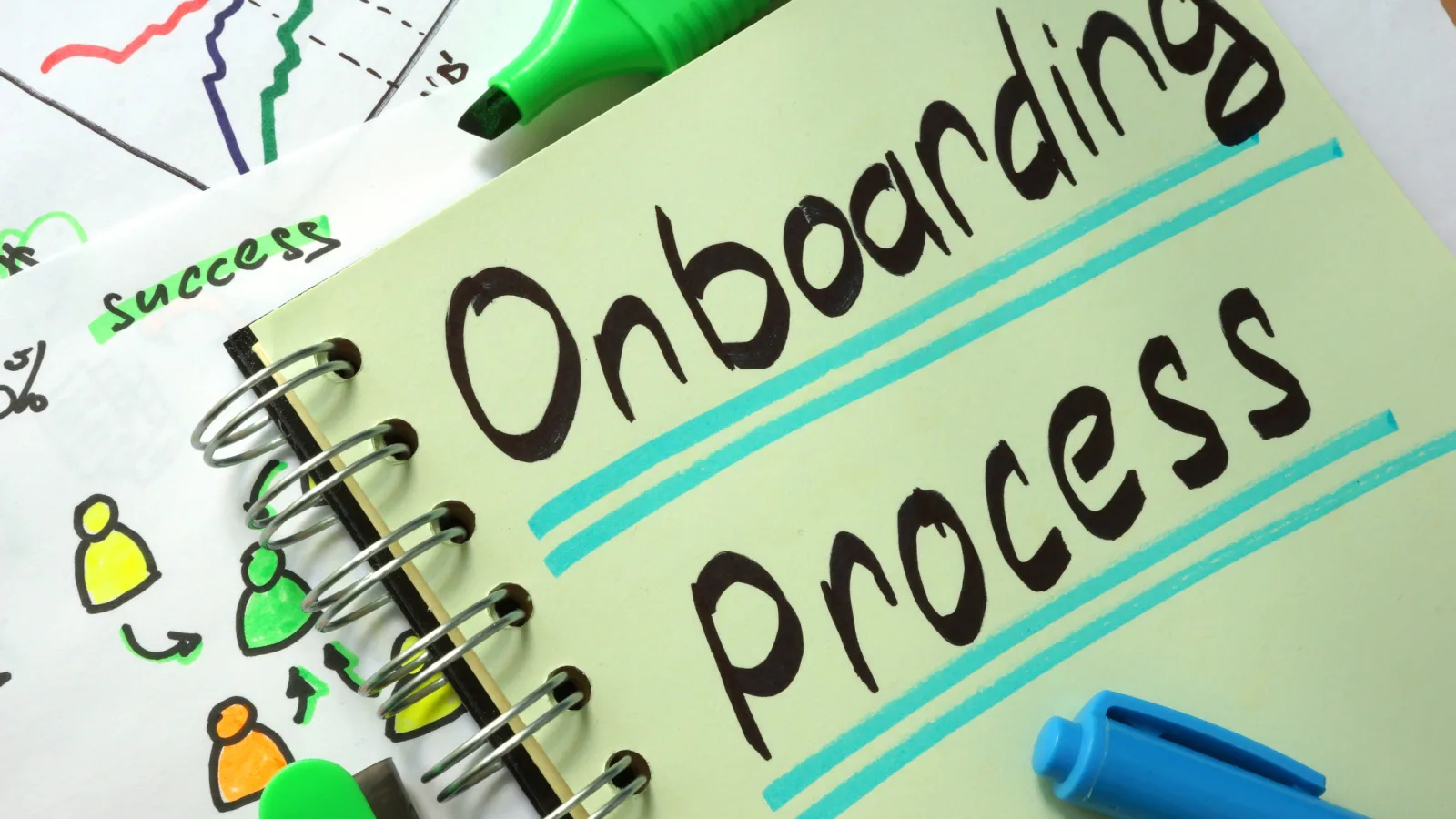
First impressions matter—and in the world of HR, employee onboarding sets the tone. A smooth, structured onboarding process doesn’t just make new hires feel welcome—it boosts productivity, retention, and engagement right from day one. The problem? Manual onboarding can be a paperwork-heavy, time-consuming hassle. That’s where automation steps in.
Let’s talk about how automation can transform your onboarding experience—and the tools and strategies that can make it happen.
Why Automate Onboarding?
Manual onboarding often involves juggling multiple systems, endless email chains, and a maze of documents. It’s easy for important steps to slip through the cracks.
- Automating your onboarding process can:
- Save time by streamlining repetitive tasks
- Improve accuracy with fewer manual errors
- Enhance the new hire experience with a more organized and consistent flow
- Help teams stay compliant by ensuring all required forms and training are completed
Tools to Kickstart Onboarding Automation
Here are some popular categories of tools that can help digitize and simplify your onboarding:
1. HR Platforms
Comprehensive HR tools like BambooHR, Gusto, and Zoho People offer built-in onboarding modules. These typically include:
- Digital document signing
- Welcome emails and checklists
- Task assignments
- Training schedules
2. E-signature Tools
Platforms like DocuSign and HelloSign make collecting signed contracts, NDAs, and employee agreements a breeze—without the need to print or scan anything.
3. Project Management Tools
Tools such as Trello, Asana, or ClickUp can be customized to build onboarding workflows. Assign tasks, track progress, and set deadlines across departments to keep everything running smoothly.
4. Learning Management Systems (LMS)
An LMS like TalentLMS or Trainual helps deliver structured onboarding training, company culture deep-dives, and compliance modules—all in one platform.
Strategy First: Don’t Automate Chaos
Before diving into tools, make sure your onboarding process is mapped out. A messy manual process will only turn into a messy automated one. Ask yourself:
- What are the key milestones in the first 30, 60, and 90 days?
- Which departments are involved?
- What documents and tools does every new hire need access to?
- How will success be tracked?
- Once your onboarding journey is clearly defined, automation can support and scale it effectively.
Need Something Custom?
Every company is different. Off-the-shelf tools work well, but they’re not always a perfect fit—especially for businesses with unique workflows or compliance requirements. That’s where LYB IT Solutions comes in.
If your onboarding process needs a tailored system—from automated document generation to employee portals or role-specific checklists—LYB IT Solutions can build custom software that fits your process, not the other way around. It’s onboarding made to measure.
Final Thoughts
Automating your employee onboarding isn’t just about saving time—it’s about delivering a better experience for every new team member. With the right strategy and tools (and a bit of customization if needed), your onboarding can go from chaotic to seamless